
 MENU
MENU U-M AI Inside and Out summer camp: Inspiring tomorrow’s AI engineers

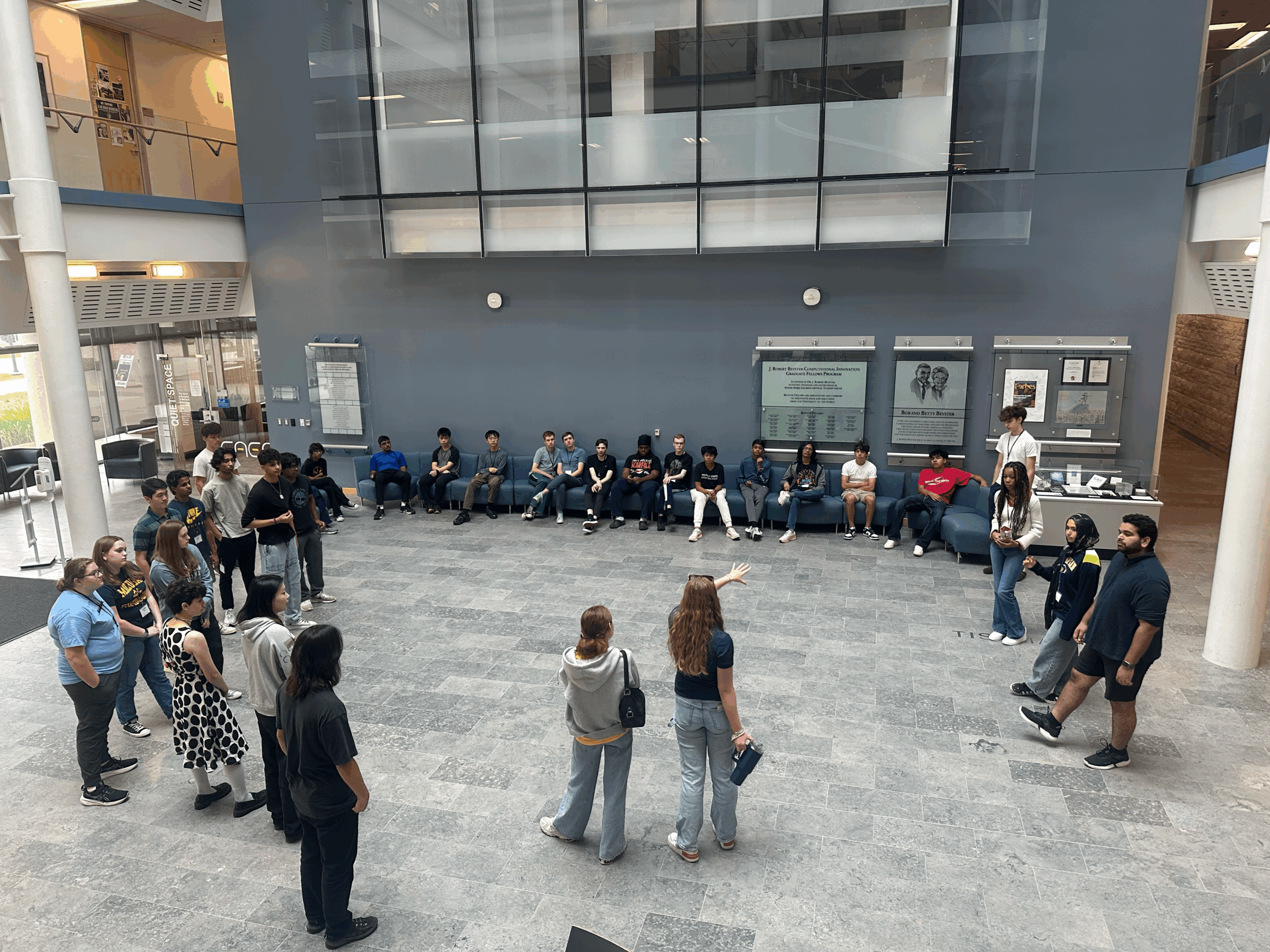
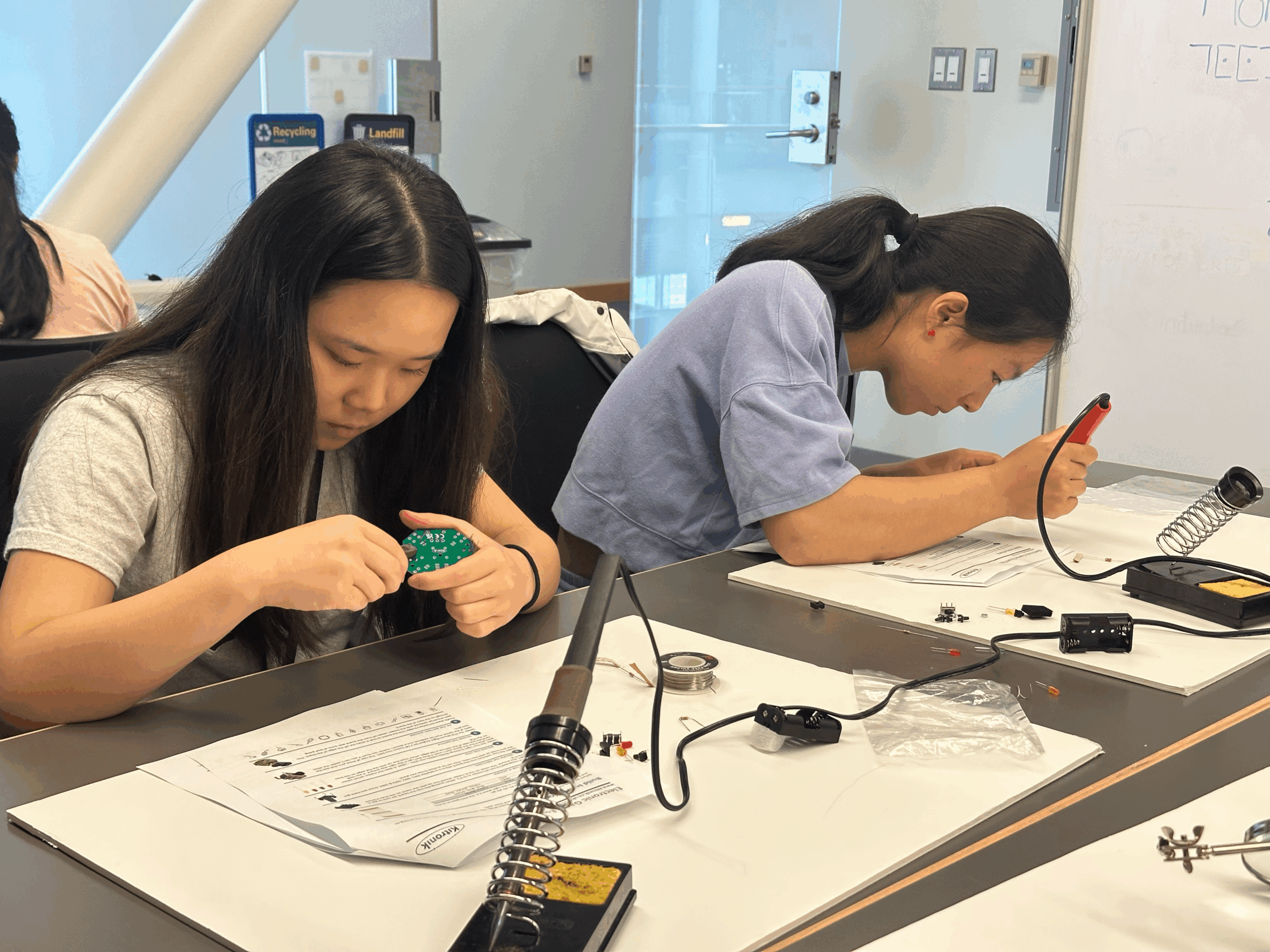
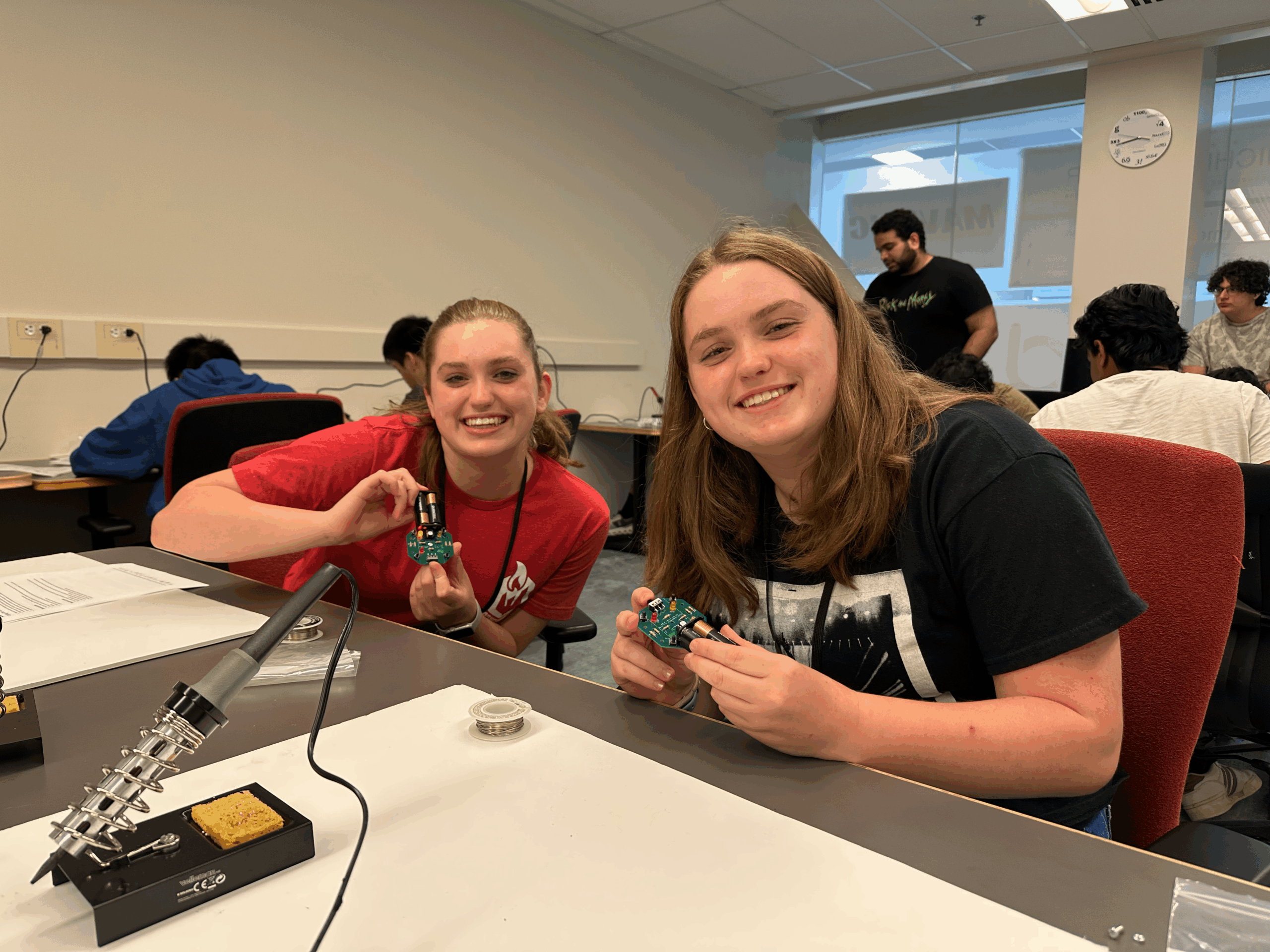
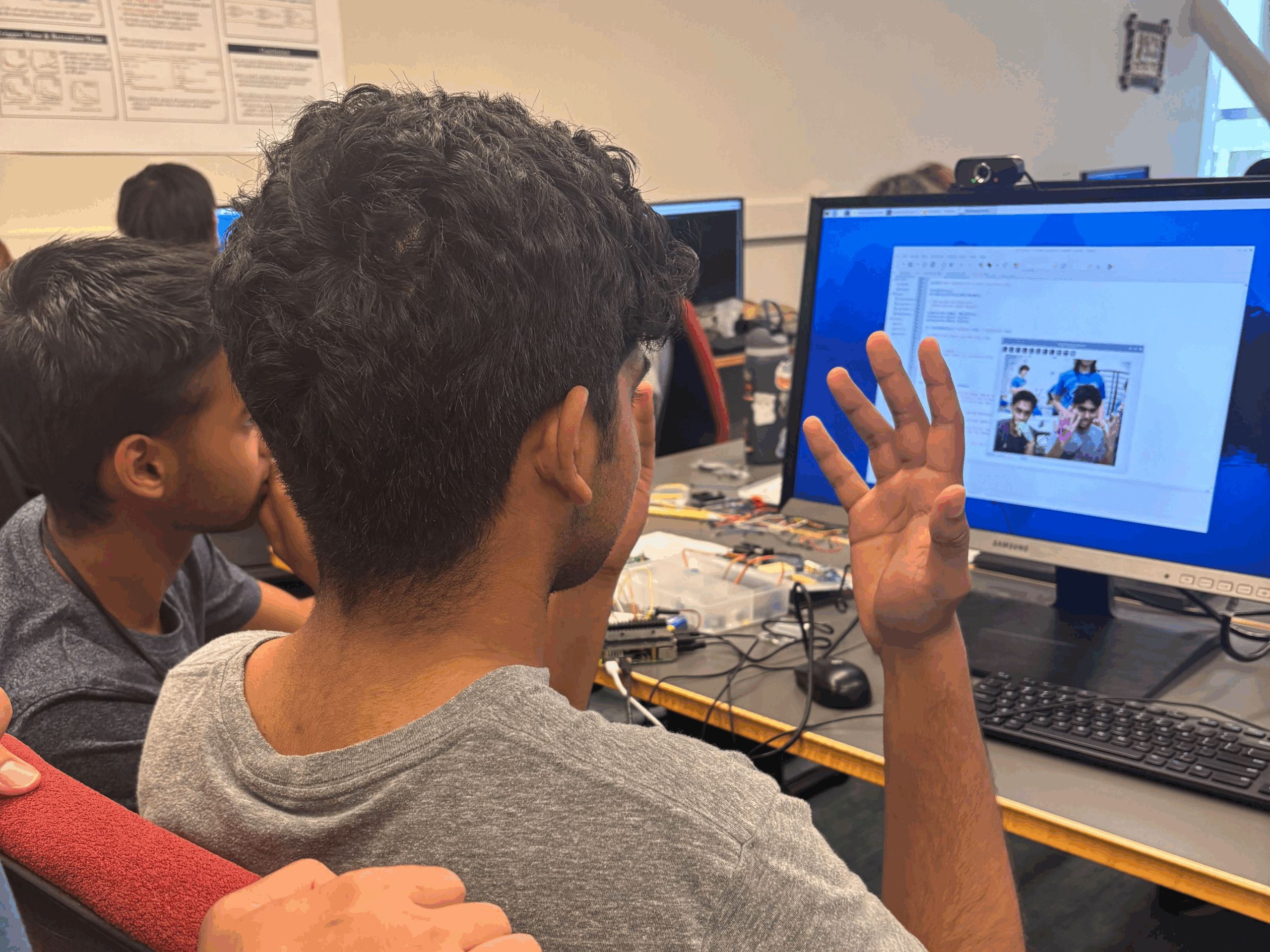
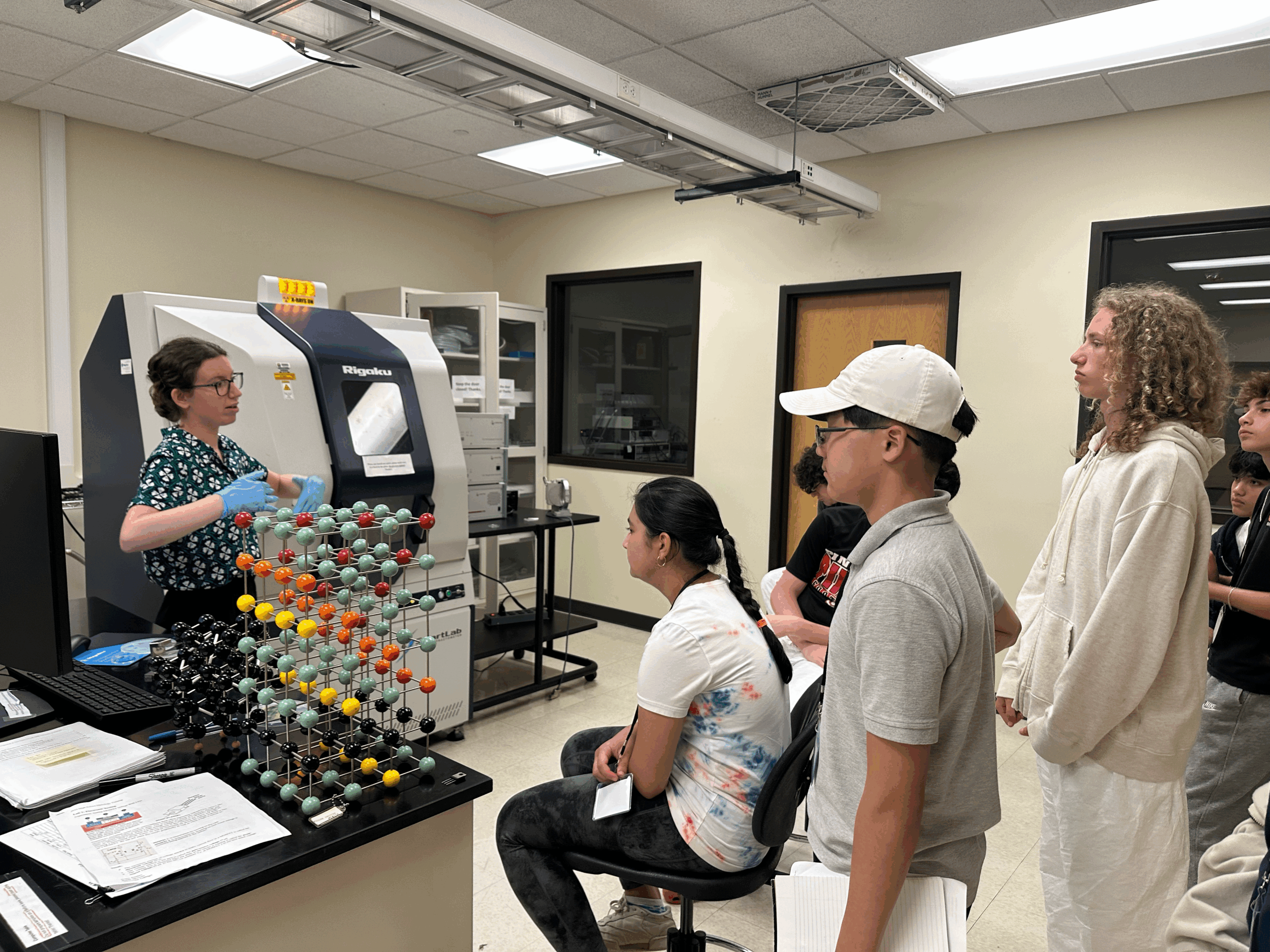
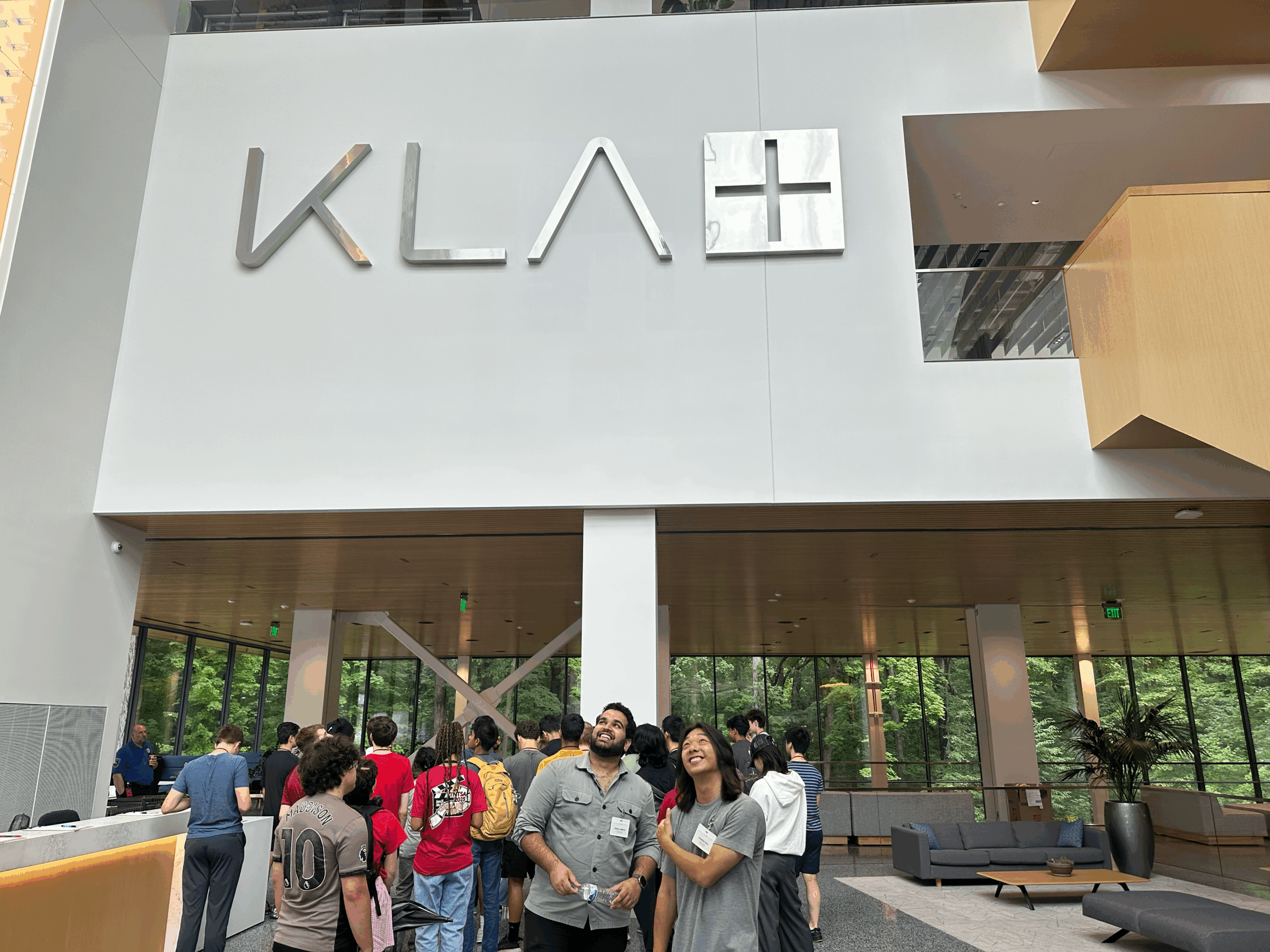
This summer, nearly 100 high school students from across the region gained hands-on experience in computer hardware, digital design, and the underlying silicon materials that enable modern AI solutions during the inaugural AI Inside and Out camp. The camp was hosted on the University of Michigan’s North Campus by MAVERIC (Michigan Advanced Vision for Education and Research in Integrated Circuits), with support from the Michigan Economic Development Corporation (MEDC).
The camp was co-organized by Valeria Bertacco, Mary Lou Dorf Collegiate Professor of Computer Science and Engineering (CSE) at U-M, who played a leading role in developing both the curriculum and the collaborative structure of the program. “We wanted students to see that AI is more than just interacting with a knowledgeable agent—what really powers the AI revolution are the hardware advances that made possible the vast scale and performance of today’s AI algorithms.” said Bertacco.
The four week-long camp sessions, held between June and August, offered an immersive introduction to the foundations of AI, connecting students to the researchers and labs shaping the technology’s future. Participants explored core AI concepts, from the data that powers AI to silicon chips and the computer systems that run today’s smart algorithms, through a mix of lectures, lab demonstrations, and self-led projects.
Making AI available to all
A key goal of the camp was to make AI accessible to students at all levels. “We wanted the camp to be open to all students who wanted to learn about AI,” said Emily Johnson, MAVERIC project manager and camp coordinator. “Everyone from incoming 9th graders to soon-to-be seniors was able to dig in and learn something new, whether they’d coded before or not.”
Across the four sessions, close to 100 students participated in a variety of activities, including:
- Dismantling and exploring the insides of desktop computers
- Building and programming electronics using Raspberry Pi microcontrollers
- Training their own AI models with tools like Google’s Teachable Machine
- Programming AI systems in collaboration with U-M startup MemryX to control fans and motors with hand gestures
- Touring university research labs, including the Michigan Center for Materials Characterization and the J.D. Hanawalt X-Ray MicroAnalysis Lab
- Visiting KLA, a leading semiconductor engineering firm, to see real-world siliconmanufacturing
- Diving into key AI challenges such as ethics, social impact, and sustainability
These diverse activities gave students both a broad foundation and real-world context for modern AI technology, helping them see how data, hardware, and innovation connect in today’s rapidly changing tech world.
An experience with lasting impact
Participants left the summer camp with newfound skills, knowledge, and connections. Many cited the immersive nature of the activities, the chance to interact with “real” engineers, and exposure to university-level labs and research as highlights of the experience.
“When I started the program, I was pretty indecisive about what field I wanted to go into, but this program has really solidified my interest in computer science and engineering,” said participant Zaina Hussain. “Getting to see the College of Engineering up close and work with such passionate professors has made me realize this is definitely the path I want to pursue.”
“I really liked touring the KLA facilities and talking to UM engineering students. I also liked the hands-on projects,” shared one participant. Another added, “The AI studying and lectures were the most exciting!”
Parents echoed this enthusiasm, with one noting, “Our son really enjoyed the week and getting to know the people and UofM campus. So glad he attended it!” Another parent noted, “Thank you for creating a high-level learning environment and curriculum for these high school students.”
Building on a successful collaboration
The camp was made possible through the collaboration of faculty, staff, and graduate students in CSE, as well as other units across U-M, including Electrical and Computer Engineering (ECE), Materials Science and Engineering (MSE), and more. Bertacco, together with other U-M faculty such as CSE professors Todd Austin and Reetuparna Das, and MSE professor John Heron, and a large team of graduate and undergraduate student volunteers guided participants through both foundational concepts and advanced projects.
“It was a truly collaborative effort, combining the technical expertise of researchers and the enthusiasm of student mentors,” said Johnson.
Organizers hope to build on their success by expanding the initiative even further next year. In addition to repeating the summer program, they are working on developing workshops for local schools and inviting more K-12 students to experience college-level STEM education throughout the year.
“Our pilot year was a great success, and we’re excited to keep the momentum going,” said Bertacco. “Introducing students to the inner workings of AI not only deepens their understanding, but also inspires them to imagine how they can contribute to the future of this exciting technology.”