MENU
MENU These CSE PhD alums have accepted faculty positions
CSE is pleased to announce that a number of recent alumni from our PhD program have accepted positions as faculty at institutions of higher learning. You may find a list of these new faculty below, or view a larger list of all our alumni who hold faculty positions at institutions around the world.
Jaylin Herskovitz (PhD 2025) will be starting as an assistant professor in the Department of Computer Science at Tufts University starting in January 2026. Her research lies at the intersection of human-computer interaction, AI, and accessibility, using techniques such as end-user programming and mobile sensing to design accessible, AI-powered mobile applications and AR/VR experiences. Jaylin’s dissertation at U-M was titled “‘Hacking’ Assistive Technology: Creating Personal AI Tools for Access.” She was advised by Professor Anhong Guo.
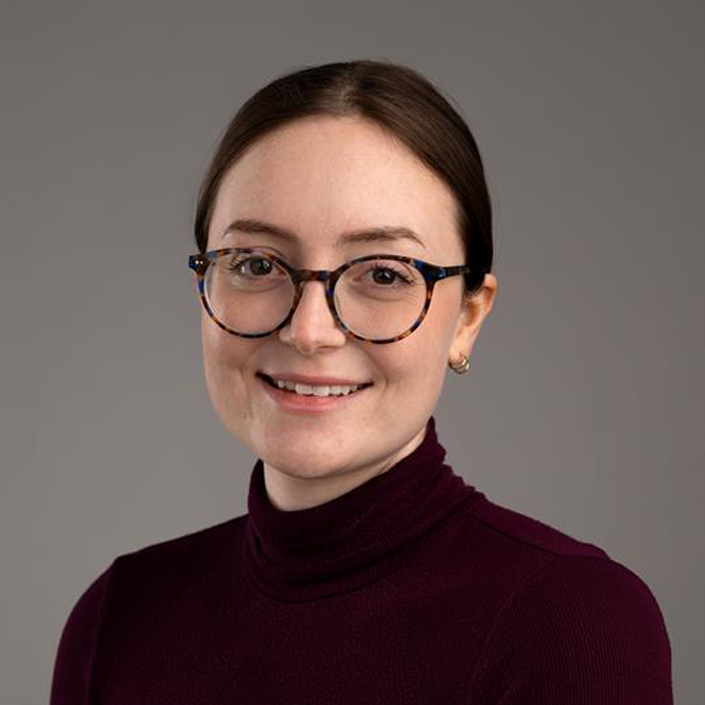
Tamara Nelson-Fromm (PhD 2025) started as an assistant instructional professor in the Department of Computer Science at the University of Chicago this fall. Her research interests primarily revolve around computing education, including studying how non-computing students learn computing as well as teaching practices and alternative endpoints. Tamara’s dissertation at U-M was titled “A Qualitative Exploration of Programming Instruction for Alternative Endpoints in Post-Secondary Computing Education.” She was advised by Professor Mark Guzdial.
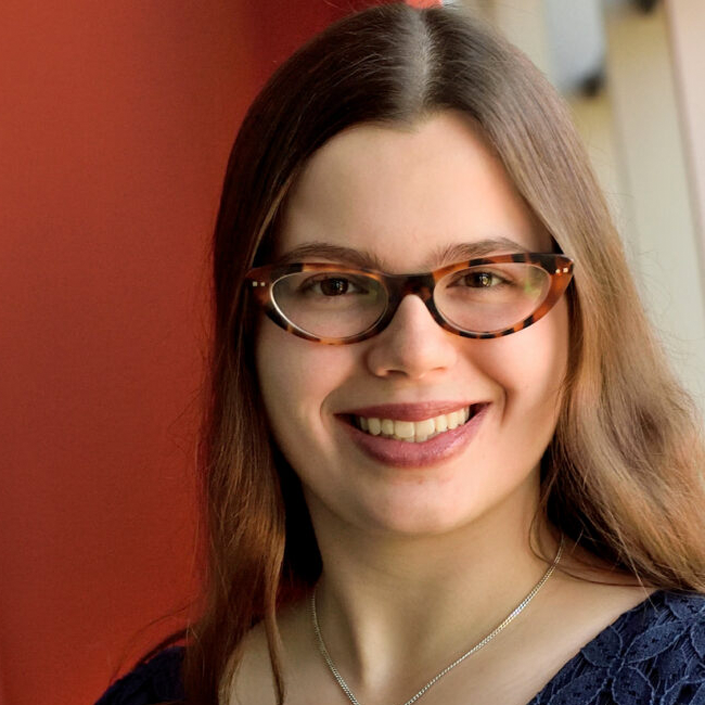
Yiming Qiu (PhD 2024) is now an assistant professor in the Department of Computer Science at the University of Hong Kong, where his research focuses on systems, networking, and security, with a particular emphasis on applying program analysis, formal reasoning, and machine learning to develop and improve cloud automation and datacenter networks. Yiming’s dissertation at U-M was titled “Assisting Cloud System Development with Automated Insight Generation.” He was advised by Professor Ang Chen.

Divya Ramesh (PhD 2025) recently started as an assistant professor in the College of Computing and Informatics at the University of North Carolina at Charlotte. Her research lies in the area of human-centered AI, with a focus on AI ethics, governance, and responsibility, particularly with respect to underserved communities. Divya’s dissertation at U-M was titled “An Empirical Exploration of Algorithmic Accountability.” She was advised by Professor Nikola Banovic.

Nishil Talati (PhD 2022) will start as an assistant professor in the Siebel School of Computing and Data Science at the University of Illinois Urbana-Champaign starting in January 2026. His research spans computer architecture, compilers, and systems software, with a focus on co-designing architectures and systems for AI and data analysis. Nishil has worked as an assistant research scientist in CSE since completing his PhD. His dissertation at U-M was titled “Optimizing Emerging Graph Applications Using Hardware-Software Co-Design,” and he was advised by Professor Ron Dreslinski.

Yongzhao Wang (PhD 2023) is now an assistant professor in the School of Computing at the University of North Florida, after working as a research associate at The Alan Turing Institute in the UK. His research centers on multiagent AI systems and their applications in finance and cybersecurity. Yongzhao’s dissertation at U-M was titled “Multiagent Learning by Iterative Refinement of Game Models.” He was advised by Lynn A. Conway Collegiate Professor of Computer Science and Engineering Michael Wellman.

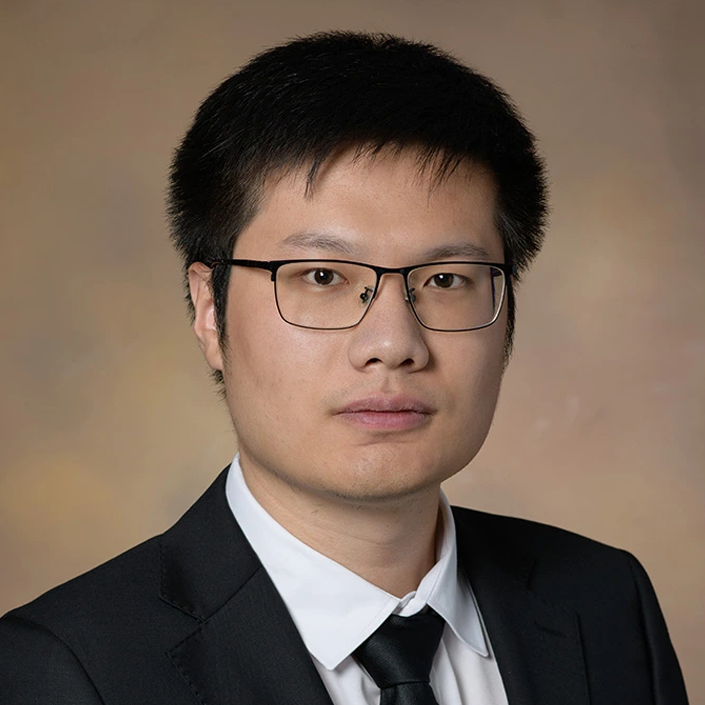
Qingzhao Zhang (PhD 2025) will start as an assistant professor in the Department of Electrical and Computer Engineering at the University of Arizona in January 2026. His research focuses primarily on computer security, with specific interests in applied systems security, AI security, software security, and cyber-physical systems. Qingzhao’s dissertation at U-M was titled “Enhancing Security, Safety, and Reliability of Modern Cyber-physical Systems.” He was advised by Farnam Jahanian Collegiate Professor of Computer Science and Engineering Z. Morley Mao.